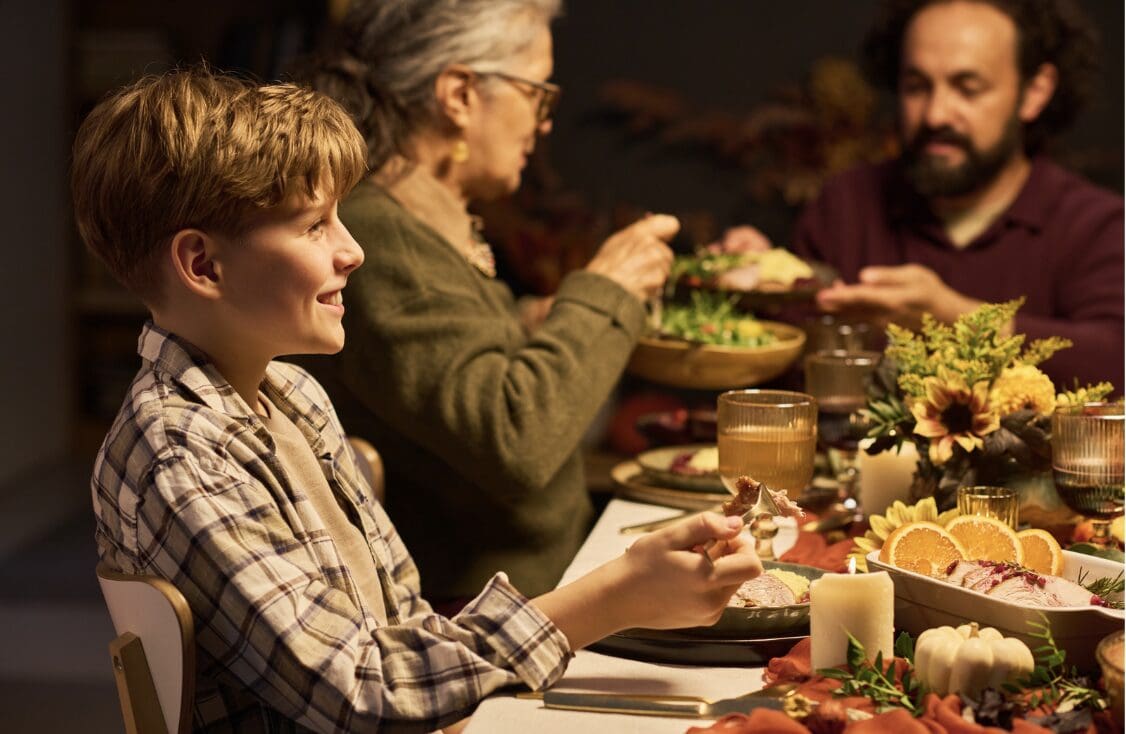
Thanksgiving is often thought of as a time for family, good food, and enjoying holiday traditions. But if you are dealing with anxiety, depression, or another mental health disorder, the holiday may bring more stress than happiness. Family gatherings, changes to your routine, and pressure to enjoy yourself can be difficult to manage when you are already struggling emotionally.
It can be hard enough getting through your usual daily responsibilities, let alone adding holiday plans to the mix. Spending hours with family, keeping up with traditions, or pretending everything is fine when it isn’t can leave you drained and exhausted.
You could even feel guilty for not looking forward to Thanksgiving or wonder why you don’t enjoy the holiday like everyone else, but you don’t force yourself to be happy or participate in every celebration. Your feelings are valid, and taking care of your mental health is just as important as making time for others.
Why Thanksgiving Can Be Difficult When You Have Mental Health Challenges
The holidays can bring up emotions that are not always easy to deal with. Even if you usually enjoy Thanksgiving, certain situations may be harder when you are living with a mental health condition.
For example, if you experience anxiety, being surrounded by people, making conversation, or attending a large family gathering may leave you feeling uncomfortable. If you struggle with depression, you may have little interest in socializing or celebrating. You might feel disconnected from everyone around you, even when you are sitting at the same table.
Family relationships often add to the stress. Old disagreements, unresolved hurt, or unwanted questions about your personal life can make gatherings uncomfortable.
Thanksgiving can also bring up feelings of grief and loneliness. If you have lost someone you love, familiar traditions may be painful reminders that the person is no longer there. If your family relationships are strained or you do not have anyone to celebrate with, the holiday may make you feel more isolated.
Then there are the extra responsibilities. Shopping, cooking, cleaning, traveling, and trying to keep everyone happy can become exhausting. When you are already putting effort into managing your mental health, these added demands can take a toll.
Ways to Protect Your Mental Health During Thanksgiving
You may not be able to avoid every uncomfortable situation, but you can make choices that help you feel more comfortable and in control.
Let Go of the Pressure to Have a Perfect Holiday
There is often an expectation that Thanksgiving should be special, with a big meal, happy family gatherings, and plenty of activities. But you do not have to make everything happen.
If hosting or preparing a large meal feels like too much, ask family members to help or consider keeping things simple.
It is okay if Thanksgiving looks different this year. You do not have to exhaust yourself trying to make the day perfect.
Set Boundaries Around Difficult Conversations
Family members may ask questions or bring up subjects you would rather avoid. You might not want to discuss your mental health, relationships, finances, or personal decisions. You are not obligated to explain yourself.
If a conversation makes you uncomfortable, politely change the subject or let the person know you would rather not discuss it. You can also step away if you need time to settle your thoughts.
Remember, you can enjoy spending time with family without sharing every detail of your life.
Allow Yourself to Take a Break
Even when you love the people you are spending Thanksgiving with, being around others for several hours can become tiring. This may be especially true if you experience social anxiety or have been feeling emotionally drained.
Do not feel bad about stepping into another room, going outside, or taking a short walk. You might listen to music, read, or simply enjoy a few quiet minutes alone. You can also practice a grounding technique to bring you back into the moment.
Taking a break does not mean you are being rude or avoiding your family. It means you recognize when you need some time to yourself.
Stick With the Habits That Support Your Mental Health
Holiday schedules can make it tempting to put your usual routine aside. However, getting enough sleep, eating regular meals, taking prescribed medication, and staying physically active can all support your mental health.
You may not be able to follow your normal routine perfectly, but try to maintain the habits that help you feel your best. If a morning walk helps improve your mood, make time for it before the day’s activities begin.
Small acts of self-care can make it easier to manage stress and keep your emotions from feeling out of control.
Give Yourself the Option to Leave
You might arrive at a family gathering feeling fine but realize after an hour that you are uncomfortable or need to go home. You do not have to stay simply because you said you would attend.
Consider driving yourself or riding with someone you trust. You can also let the host know ahead of time that you may only be able to stay for a little while.
Knowing you have the option to leave can take some of the pressure off attending in the first place.
Reach Out When You Need Support
You do not have to keep difficult feelings to yourself just because it is Thanksgiving. If you feel sad, anxious, lonely, or overwhelmed, talk to someone you trust. Sometimes, having someone listen without judging you or trying to fix everything can make you feel less alone.
If you are receiving mental health treatment, continue attending your appointments and taking an active role in your care. Let your provider know if holiday stress is making your symptoms harder to manage. They can help you identify ways to cope and address concerns before they become more difficult.
Make Your Mental Health a Priority This Thanksgiving
Thanksgiving does not have to be perfect to be meaningful. You may enjoy parts of the holiday while struggling with others, and you do not need to feel guilty about that. Give yourself permission to do what you can, spend time with people who make you feel comfortable, and take a step back when you need to.
If you are struggling with your mental health, you do not have to wait until things get worse to seek help. At Creekside Behavioral Health, we provide compassionate mental health care for adolescents, adults, and seniors. If you or someone you love needs support, contact us to learn more about our treatment programs and how we can help.