
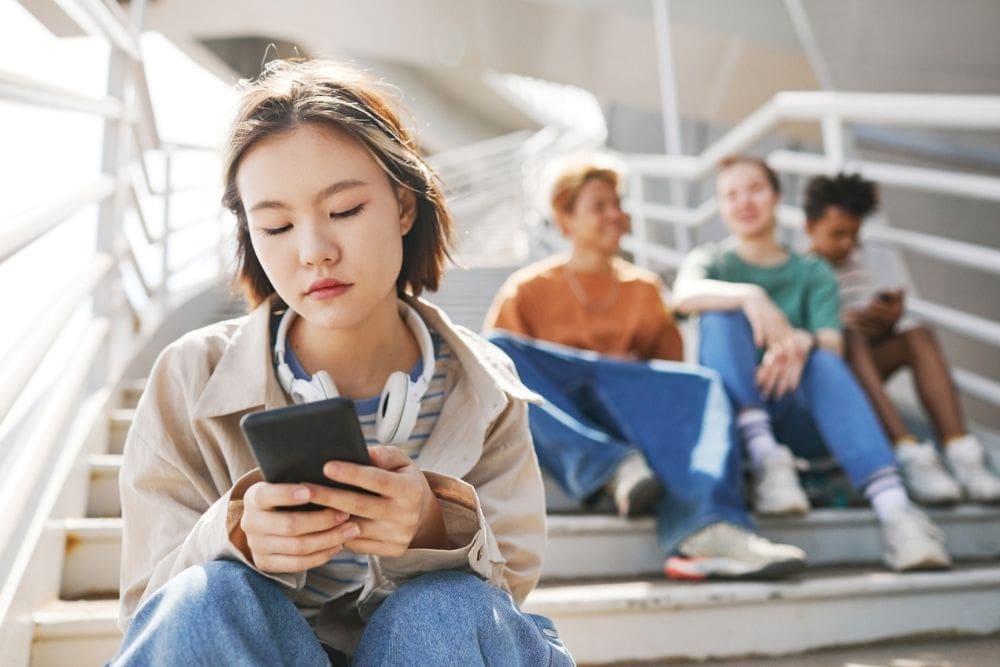
Social media can be a fun way to stay connected, inspired, and entertained, but it can also become a source of stress, insecurity, and emotional overwhelm. For many people, the constant stream of curated images and highlight reels makes it almost impossible not to compare their own lives to what they see online.
If you’ve ever closed an app feeling worse about yourself than when you opened it, you’re far from alone. Comparison is a natural human tendency, but social media magnifies it in unhealthy ways. At Creekside Behavioral Health in Kingsport, Tennessee, we understand how powerfully these platforms can influence emotional well-being and self-esteem. Recognizing the dangers of comparison is the first step in protecting your mental health and learning healthier ways to engage online.
Why Comparing Yourself on Social Media Is So Harmful
Comparing yourself to others on social media is harmful for your mental health for many reasons, including:
1. You’re Comparing Your Reality to Someone Else’s Highlights
In everyday life, you see your own ups and downs—your messy house, your stressful morning, the days when you feel frustrated or overwhelmed. On social media, however, you see only what others want you to see. People typically share:
- Celebrations and successes
- Vacations and special events
- Glamorous photos taken from flattering angles
- Edited or filtered versions of themselves
This creates a distorted comparison: your full life vs. someone else’s best moments. Even when you logically understand that posts are curated, your brain may still interpret them as reality.
2. It Creates an Unrealistic Standard of Perfection
Social media encourages a culture of perfection. People rarely show their struggles, insecurities, or ordinary daily moments. Instead, they highlight achievements, beauty, wealth, or exciting experiences—often without showing the effort or challenges behind them.
When you internalize these images, you may start believing you should be doing more, achieving more, or looking better. This constant pressure can erode emotional resilience and contribute to anxiety, perfectionism, and low self-worth.
3. It Can Lead to Damaged Self-Esteem
Repeated exposure to others’ seemingly perfect lives makes it easy to reinterpret your own life as lacking. You may begin thinking thoughts like:
- Everyone else is more successful than I am.
- Their relationships seem so much happier.
- I’m falling behind.
These thoughts often arise automatically, and the more time you spend comparing, the more deeply they can take root. Over time, comparison can contribute to depressive symptoms, decreased motivation, and a negative body image.
4. Social Media Encourages Constant Validation-Seeking
Likes, comments, and shares can create an unhealthy cycle of external validation. When your self-esteem becomes tied to online interactions, you may start:
- Posting only for approval
- Deleting posts that don’t get “enough” attention
- Comparing your engagement to other people’s
- Feeling anxious about how you are perceived
This keeps you emotionally dependent on the platform, making comparison even harder to break.
What to Do Instead of Comparing Yourself
Stopping the habit of comparison doesn’t mean you need to delete every app immediately. Instead, you can shift the way you interact with social media so it supports—not harms—your emotional well-being.
1. Curate Your Feed Thoughtfully
Unfollow, mute, or hide content that consistently triggers feelings of inadequacy or insecurity. Instead, fill your feed with accounts that:
- Promote authenticity
- Encourage mental wellness
- Share realistic lifestyles
- Inspire rather than pressure
- Create a positive emotional response
You are allowed to protect your mental space.
2. Practice Mindful Scrolling
Before opening an app and doomscrolling, ask yourself:
- Why am I logging in right now?
- How do I want to feel after scrolling?
- Is this helping my mental health or hurting it?
Setting an intention helps you stay in control rather than slipping into comparison patterns without noticing.
Try implementing boundaries, such as:
- Avoiding social media during stressful moments
- Taking breaks when you sense emotional overwhelm
- Using time limits to prevent endless scrolling
- Keeping your phone out of your bedroom at night
Mindfulness helps shift your relationship with social media from reactive to intentional.
3. Recognize When Your Thoughts Are Distorted
Whenever a comparison thought arises, pause and challenge it. Ask yourself:
- Do I know the full story?
- Am I comparing fairly?
- What might this person be struggling with behind the scenes?
- Is this thought based on evidence or emotion?
Most comparison-based thoughts are not facts. Learning to question them reduces their emotional impact.
4. Focus on Your Own Path and Progress
Instead of measuring yourself against others, focus on what’s meaningful to you. Consider:
- Your personal goals
- Your accomplishments
- The challenges you’ve overcome
- The qualities that make you unique
Everyone’s journey is different, and success is not one-size-fits-all.
5. Invest in Real-Life Connections
Spending time with family, friends, or supportive community members can help counteract the loneliness and insecurity that comparison creates. Real connections offer authenticity and emotional grounding—things social media cannot replicate.
If you feel overwhelming anxiety, sadness, or obsessive comparison tendencies, reaching out to a mental health professional can provide clarity and support.
Support Is Available in Tennessee
If social media comparison, anxiety, or emotional strain is affecting your daily life, you do not have to face it alone. Reach out to Creekside Behavioral Health today for compassionate, evidence-based support and a path toward healing and balance.