
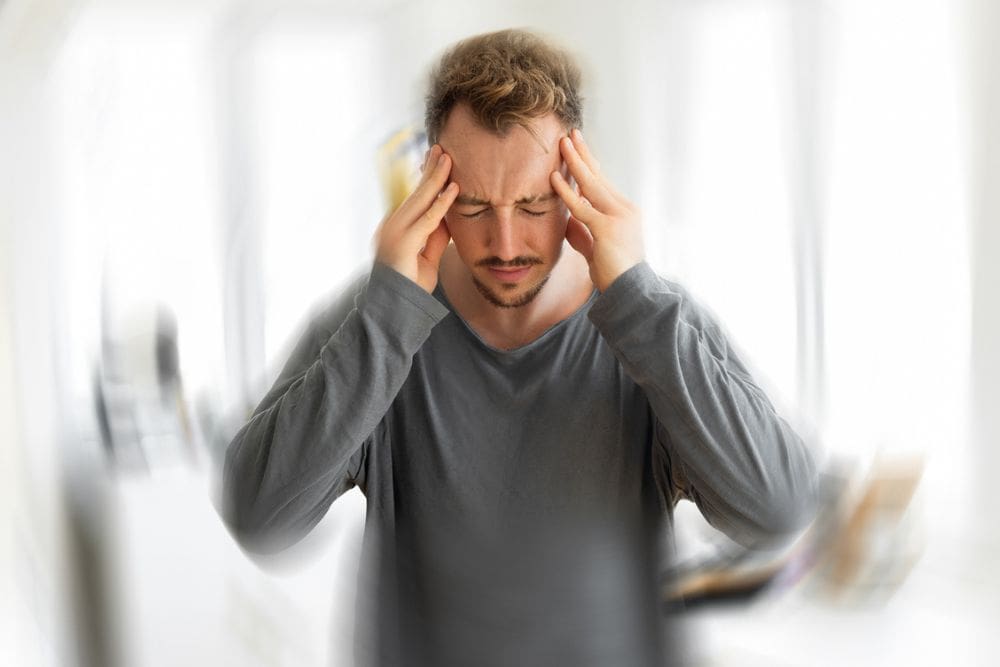
If you’ve ever experienced a panic attack, you know how frightening it can be. Your heart races, your breathing changes, and it may feel like something terrible is happening. In the middle of it all, it’s easy to believe you’re losing control or having a medical emergency.
The good news is that panic symptoms, while incredibly distressing, are temporary. Learning how to respond in the moment can help you feel more grounded and make it easier to move through the experience. While these strategies may not stop a panic attack immediately, they can help reduce its intensity and remind you that you’re safe.
What Are Panic Symptoms?
Panic symptoms are the body’s intense response to a perceived threat, even when no immediate danger is present. During a panic attack, your body’s fight-or-flight response becomes activated, flooding you with stress hormones that prepare you to react.
Common panic symptoms include:
- A racing or pounding heart
- Shortness of breath or rapid breathing
- Chest discomfort
- Sweating or chills
- Trembling or shaking
- Dizziness or feeling lightheaded
- Nausea
- Tingling sensations in the hands or feet
- Feeling detached from yourself or your surroundings
- A fear of losing control, passing out, or dying
Although these symptoms can feel overwhelming, they are not dangerous on their own. According to the Mayo Clinic, panic attacks often peak within minutes before gradually subsiding.
Why Panic Attacks Happen
Panic attacks don’t always have an obvious cause. Sometimes they happen during periods of high stress or after a traumatic experience. Other times, they seem to come out of nowhere.
Several factors can contribute to panic symptoms, including:
- Anxiety disorders
- Panic disorder
- Trauma or post-traumatic stress
- Major life changes
- Chronic stress
- Certain medical conditions or medications
- Genetics and family history
For some people, worrying about having another panic attack can actually increase the likelihood of experiencing one. This cycle can leave you feeling constantly on edge, but it can be broken with the right support and treatment.
What to Do During a Panic Attack
When panic takes over, your goal isn’t to force the feelings away. Instead, try to remind yourself that the symptoms will pass and focus on calming your body’s stress response.
Remind Yourself What’s Happening
Panic attacks often convince you that something catastrophic is happening. Try telling yourself that you are experiencing a panic attack and even though it feels scary, it will pass.
Repeating this simple statement can help interrupt fearful thoughts and remind you that you’re experiencing anxiety not danger.
Slow Your Breathing
Rapid breathing can make panic symptoms worse by increasing feelings of dizziness and chest tightness.
Instead of taking deep breaths quickly, try breathing slowly and comfortably.
One simple technique is to inhale through your nose for four seconds and exhale gently through your mouth for six seconds. Focus more on making your exhale longer than your inhale rather than trying to take huge breaths.
Ground Yourself in the Present
Panic often pulls your attention toward frightening thoughts about what might happen next.
Grounding techniques help reconnect you with what’s happening around you.
You might try the 5-4-3-2-1 method:
- Notice five things you can see.
- Touch four things around you.
- Listen for three sounds.
- Identify two things you can smell.
- Notice one thing you can taste.
This exercise helps shift your attention away from panic and back into the present moment.
Avoid Fighting the Panic
One of the hardest parts of panic attacks is the urge to make them stop immediately. Ironically, resisting the experience often increases fear and keeps the cycle going. Instead, acknowledge the feelings without judging them.
You might think: “I don’t like this feeling, but I know it won’t last forever.”
Permitting yourself to experience the symptoms can reduce the fear that fuels them.
After the Panic Passes
Once the panic attack begins to fade, be gentle with yourself. Your body has just gone through a surge of stress hormones, and it’s normal to feel emotionally and physically drained afterward.
Give yourself time to rest, drink some water, take a short walk if it feels comfortable, or talk with someone you trust. Avoid criticizing yourself for having a panic attack. It isn’t a sign of weakness, and it doesn’t mean you’ve failed.
When Should You Seek Professional Help?
Occasional panic attacks can happen, but if panic symptoms are becoming frequent, interfering with your daily life, or causing you to avoid work, school, relationships, or places you once enjoyed, it’s time to seek professional support.
Mental health professionals can help identify the underlying cause of your panic symptoms and create a personalized treatment plan. Therapy, medication, or a combination of both can be highly effective for managing panic disorder and other anxiety-related conditions.
You should also seek immediate medical attention if you’re experiencing chest pain or other symptoms that could indicate a medical emergency, especially if you’re unsure whether what you’re experiencing is a panic attack.
You Don’t Have to Face Panic Alone
At Creekside Behavioral Health in Kingsport, TN, we provide compassionate, evidence-based mental health care for individuals experiencing anxiety, panic disorders, and other behavioral health concerns. Whether you’re facing occasional panic attacks or ongoing anxiety that’s affecting your quality of life, our team is here to help.
If panic symptoms are making it difficult to live the life you want, contact us today to learn more about our treatment programs and to take the first step toward the beginning of lasting healing.