
If you have been using alcohol or drugs regularly, stopping may be harder than simply deciding not to use anymore. Your body can become physically dependent on a substance, and when you stop, withdrawal symptoms can develop. Depending on what you have been using, how much and how often you use it, and your overall health, withdrawal can range from uncomfortable to medically serious.
Chemical detox, sometimes called detoxification or withdrawal management, is the process of helping your body safely adjust as a substance leaves your system. Medical and behavioral health professionals can monitor you during withdrawal, manage symptoms, and help you take the next step toward treatment.
When Might You Need Chemical Detox?
You may need detox if you have developed a physical dependence on alcohol, opioids, benzodiazepines, or another substance and experience withdrawal when you try to stop or cut back.
Signs of withdrawal can include shaking, sweating, anxiety, irritability, nausea, vomiting, insomnia, muscle aches, restlessness, and changes in heart rate. Alcohol withdrawal can become particularly serious, with severe symptoms such as seizures or delirium requiring immediate medical attention.
Opioid withdrawal is generally not life-threatening by itself, but it can be extremely uncomfortable and can make it difficult to stop using without appropriate support. Medical treatment may include medications to ease withdrawal symptoms and help you move into ongoing treatment.
Your need for detox cannot be determined by withdrawal symptoms alone. A healthcare professional can consider your substance use, medical history, mental health, previous withdrawal experiences, and other factors when determining what level of care is appropriate.
What Happens During Chemical Detox?
Detox looks different from person to person. The first step is generally an assessment to understand what you have been using and what kind of support you need.
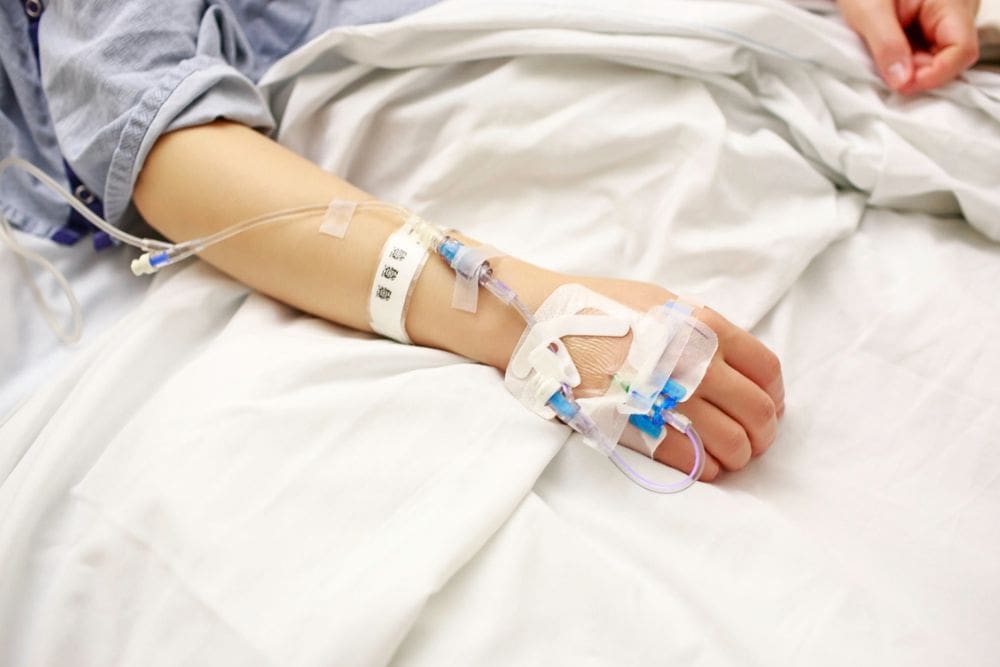
During inpatient detox, you can receive ongoing observation and medical and behavioral health support while your body adjusts to the absence of the substance. Your care team can monitor withdrawal symptoms and respond if your condition changes.
Medication may be used when appropriate. For example, medications are available to treat alcohol use disorder and opioid use disorder, and some medications can help reduce withdrawal symptoms or cravings. Detox is not about simply getting a substance out of your body as quickly as possible. The goal is to help you get through withdrawal as safely and comfortably as possible while connecting you with the treatment and support you may need afterward.
Why Detoxing at Home Can Be Dangerous
You may be tempted to detox on your own. You might think you can stay home, stop using, and push through the withdrawal until it passes.
The problem is that you cannot always predict how your body will respond.
Withdrawal can become more serious than expected, particularly with alcohol and certain sedatives. You may also become dehydrated from vomiting or diarrhea, experience significant changes in your physical or mental state, or face other medical complications.
There is another concern with opioid use. After a period of abstinence, your tolerance can decrease. If you return to the amount you previously used, you may be at greater risk for overdose.
Having someone nearby does not replace medical care. If withdrawal becomes severe, you may need medications, monitoring, or emergency intervention that cannot be provided safely at home.
Detox Is Only the Beginning
Getting through withdrawal is an important first step, but it does not address everything that contributed to your substance use.
You may still be dealing with cravings, stress, trauma, depression, anxiety, relationship problems, or other concerns that make it difficult to maintain recovery. This is especially important when substance use and a mental health condition occur at the same time.
A dual diagnosis, also called a co-occurring disorder, means you are experiencing both a substance use disorder and a mental health condition. Treating one without addressing the other can leave important parts of your recovery unaddressed.
At Creekside Behavioral Health in Kingsport, Tennessee, inpatient care for chemical detox provides a structured setting where you can receive support during this first stage of treatment. Creekside also specializes in helping people with co-occurring mental health and substance use disorders.
We Can Help You Take the First Step Toward Healing
You do not have to figure out detox on your own. If you are worried about what will happen when you stop using, talking with a healthcare professional is a safer place to start.
At Creekside Behavioral Health, an assessment can help determine the level of care that best fits your needs. Whether you are struggling with addiction, substance use disorder, chemical dependence, or co-occurring mental health concerns, reaching out can help you understand your options.
If you are ready to take the first step, contact Creekside Behavioral Health in Kingsport, Tennessee, to learn more about inpatient chemical detox and available treatment options.